Badami
Address
Badami, Karnataka 587201
Open Hours
9:00 AM–5:30 PM
Weather
Warm and dry during the day, with pleasant, cool breezes in the evenings.
Crowd Level
Medium
Badami, formerly known as Vatapi, is a breathtaking archaeological marvel nestled in a narrow, rugged ravine between two massive sandstone hills in northern Karnataka. Once the regal capital of the mighty Chalukya dynasty from the 6th to the 8th century CE, this historic town serves as an open-air museum. The landscape is dominated by the spectacular Agastya Tirtha, a serene, emerald-colored water tank that reflects the ancient architectural splendor of the surrounding shrines, creating an atmosphere of deep spiritual antiquity and geological wonder.
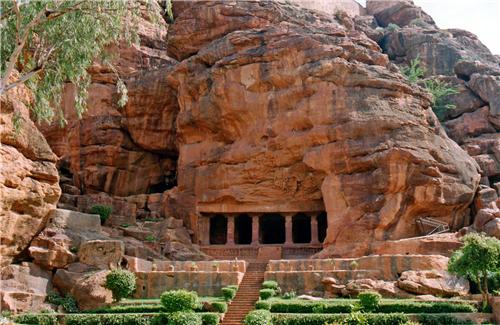
The hallmark of Badami is its four magnificent cave temples, meticulously hewn into the precipice of a high sandstone cliff. These temples serve as a historical timeline of early Indian rock-cut architecture. The first cave is dedicated to Lord Shiva, featuring an iconic relief of Nataraja in 81 dance poses. The second and third caves are dedicated to Lord Vishnu in his various avatars, including Trivikrama and Varaha. The third cave, being the largest, displays profound architectural maturity with intricate carvings and remnants of ancient mural paintings reminiscent of the Ajanta style, illustrating the refined artistic patronage of the Chalukyan kings.
Mythologically, the region is linked to the Puranic tales of Vatapi and Ilvala, two demon brothers who posed a threat to sages. According to local folklore and Puranas, the sage Agastya visited this region and ultimately defeated the demon Vatapi, after whom the city was named. The presence of the Agastya Tirtha tank is considered sacred, with local traditions suggesting that the water possesses healing properties and continues to be a central point for ritual ablutions for pilgrims visiting the nearby Bhutanatha temple complex.
Architecturally, the site is a masterclass in the transition from Dravidian to Nagara styles. The temples are adorned with massive pillars, elaborate friezes of Ganas, and celestial beings. The Bhutanatha group of temples, located on the eastern bank of the tank, represents the peak of Chalukyan temple building, characterized by tiered towers (shikharas) and a tranquil setting that allows visitors to contemplate the historical grandeur of a kingdom that once dominated the Deccan Plateau.
Today, Badami remains a significant destination for both history enthusiasts and spiritual seekers. The Rathothsava festival, typically held annually, attracts thousands of devotees who participate in chariot processions, infusing the rocky terrain with vibrant life. The spiritual ambiance is heightened by the echoes of bells from the nearby shrines and the awe-inspiring sight of the sun setting over the crimson-hued sandstone, casting long shadows that transport visitors back to the golden age of the Chalukyas.
Visitor Information
Famous For
Ancient rock-cut cave temples, Chalukyan architecture, sandstone cliffs, and the sacred Agastya Tirtha tank.
Visit Duration
4–6 hours
Best Time
Early morning or late afternoon to avoid peak sun and capture the golden glow on the rocks.
Route Options
Located 134 km from Hubli; easily accessible via state buses or hired taxis from Badami Railway Station (5 km away).
Parking
Designated public parking area available near the main entrance to the cave temples.
Entry Fee
Rs. 30 for Indian citizens, Rs. 500 for foreign nationals.
Camera Fee
Free for mobile cameras; Rs. 25 for professional still cameras.
Restaurants Nearby
Numerous small vegetarian restaurants and South Indian eateries in the main bazaar of Badami.
Toilets
Public toilet blocks located near the entrance gate and parking area.
Drinking Water
Available at small kiosks near the entrance; carry your own supply for the climb.
Wheelchair Access
Limited; the base area is accessible, but the cave temples require climbing a series of stone steps.
Medical Facilities
First aid available at the site; Government Hospital located in the main Badami town.
Weather Alerts
Steps can become very slippery during the monsoon season; maintain caution.
Pilgrim Information
Darshan Timings
9:00 AM–5:30 PM (Caves operate as an archaeological site with spiritual significance).
Special Poojas
Special morning prayers are performed at the Bhutanatha Temple during religious festivals.
Prasadam
Prasadam can be obtained from the local priests stationed near the active shrines.
Free Meals (Bhojan)
Lunch served at local eateries from 12:30 PM to 3:00 PM.
Temple History
The caves were carved in the 6th century under the patronage of the Chalukya king Pulakeshin I, dedicated to Vedic deities.
Nearby Sacred Places
Banashankari Temple (5 km), Mahakuta Group of Temples, and Pattadakal heritage site.