Pattadakal
Address
Pattadakal, Karnataka 587201
Open Hours
6:00 AM–6:00 PM
Weather
Hot and dry in summer; pleasant and breezy during winter months.
Crowd Level
Medium
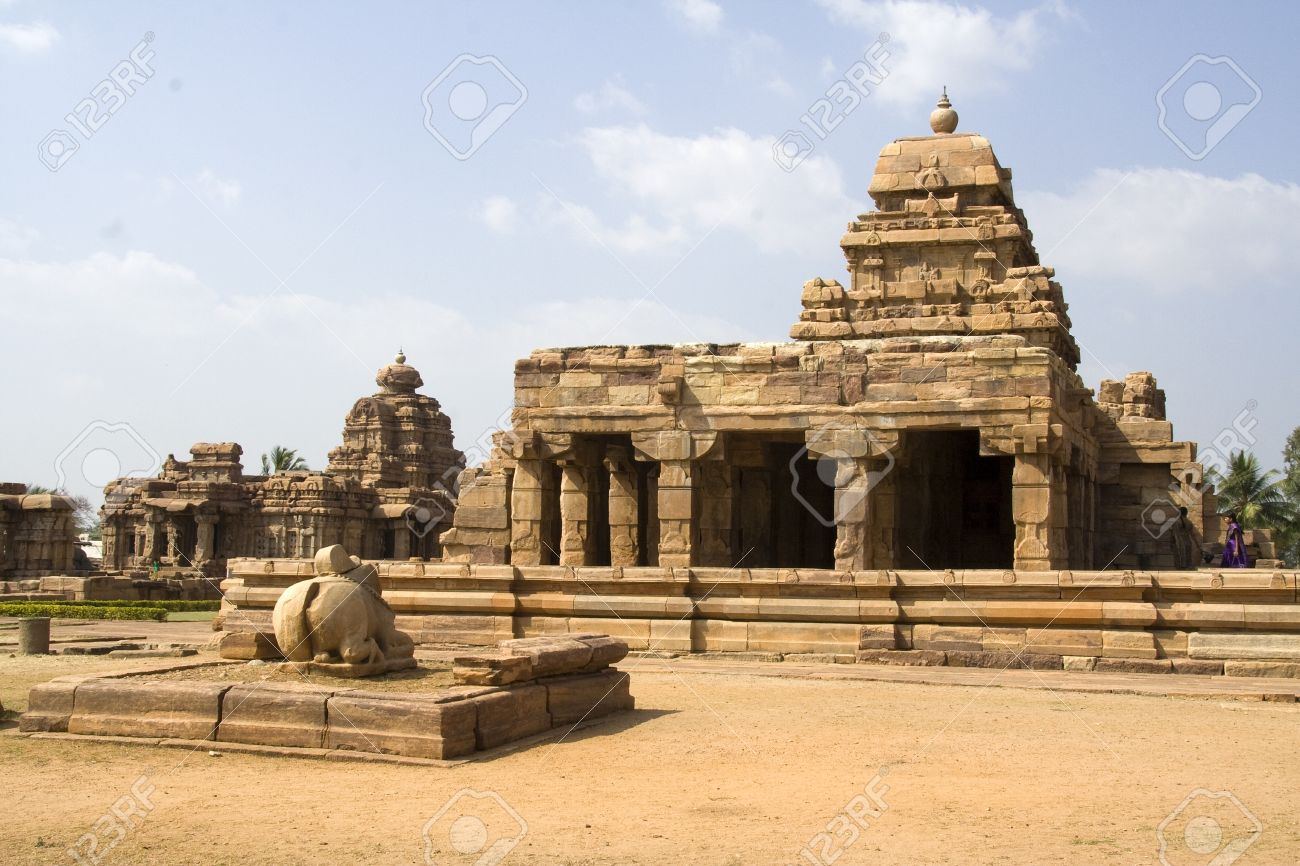
Pattadakal, a UNESCO World Heritage site located in the Bagalkot district of Karnataka, stands as a testament to the glorious artistic and architectural zenith of the Chalukyan dynasty. Once serving as the secondary capital and a site for royal coronations, this hallowed ground encapsulates the transition between the early cave temples of Aihole and the later, more evolved structures of Badami. The site is a magnificent synthesis of architectural idioms, featuring a harmonious blend of the northern Nagara style and the southern Dravidian style, reflecting the empire's vast cultural reach and inclusive religious patronage.
The historical significance of Pattadakal traces back to the 7th and 8th centuries under the illustrious Chalukyan kings, most notably during the reigns of Vikramaditya II and his predecessor Vijayaditya. The queens of Vikramaditya II, Loka Mahadevi and Trailokya Mahadevi, were instrumental in commissioning the grandest temples, specifically the Virupaksha and Mallikarjuna temples, to commemorate the king's victories over the Pallavas of Kanchipuram. This royal patronage facilitated a flourishing of the arts, attracting master architects and sculptors whose work set the benchmark for subsequent temple building in the Deccan region.
The architectural marvels of Pattadakal include ten major temples, each a masterpiece of stone craftsmanship. The Virupaksha Temple remains the crown jewel, characterized by its massive gopuram and intricate friezes depicting scenes from the Ramayana, Mahabharata, and the Puranas. Adjacent to it stands a monolithic, awe-inspiring Nandi, perfectly proportioned and radiating a sense of serene spiritual power. The Mallikarjuna and Papanatha temples further demonstrate the evolution of sculpture, with delicate reliefs that capture the nuances of divinity and daily life during the Chalukyan era.
Mythologically and spiritually, Pattadakal is considered a sacred space where the waters of the Malaprabha River flow northward, enhancing its holiness. While the temples are dedicated primarily to Lord Shiva, the intricate carvings illustrate the deep-rooted Vedic tradition and Puranic narratives that governed the spiritual lives of the Chalukyan subjects. Visitors today experience a profound sense of continuity, feeling the weight of centuries as they walk through corridors adorned with stone inscriptions and divine iconography.
Beyond its historical architecture, the Government of Karnataka hosts an annual Pattadakal Dance Festival, which brings the ancient stone courtyard to life with classical performances under the stars. For a seamless experience, tourists are encouraged to use Badami as a base, as it provides convenient access to the greater Chalukyan circuit, including the rock-cut wonders of Aihole and the sacred complex of Mahakuta. The atmosphere at Pattadakal is one of quiet contemplation, inviting visitors to step back into a golden age of Indian history.
Visitor Information
Famous For
UNESCO World Heritage site, Chalukyan temple architecture, Virupaksha temple, Dravidian and Nagara styles, annual dance festival.
Visit Duration
3–4 hours
Best Time
Early morning or late afternoon to avoid peak heat; October to March for the best weather.
Route Options
Accessible by taxi from Badami (20km), Bijapur (120km), or Hubli; local KSRTC buses run frequently from Badami station.
Parking
Dedicated large parking area available at the main entrance of the heritage site.
Entry Fee
Rs. 40 for Indian citizens; Rs. 600 for foreign nationals.
Camera Fee
Free for mobile/still photography; professional video recording may require prior permission.
Restaurants Nearby
Small eateries and cafes outside the temple complex serving local Karnataka meals.
Toilets
Clean public sanitation facilities available near the main parking and entry complex.
Drinking Water
Filtered water dispensers available near the ticket counter and site entrance.
Wheelchair Access
Partial accessibility; paved paths allow wheelchair movement in the main temple courtyard, though some shrines have steps.
Medical Facilities
First aid available on-site; primary health centers and hospitals are located in Badami.
Weather Alerts
Summers can be extremely hot; always carry hydration and sun protection.
Pilgrim Information
Darshan Timings
6:00 AM–6:00 PM daily for public viewing.
Special Poojas
Occasional local worship rituals performed on Mondays and auspicious Hindu festival days.
Prasadam
No official prasadam distribution on-site; visitors may offer flowers and coconuts at the shrines.
Free Meals (Bhojan)
No on-site temple kitchen; community meals are rare; visitors dine in nearby town eateries.
Temple History
Constructed in the 7th and 8th centuries by the Chalukyan dynasty to mark royal coronations and victories.
Nearby Sacred Places
Banashankari Temple, Mahakuta group of temples, and Badami Cave temples.