Moodabidri
Address
Moodbidri, Karnataka
Open Hours
8:00 AM–1:00 PM, 3:00 PM–6:00 PM
Weather
Warm and tropical with significant humidity throughout the year; peak monsoon season is June to September.
Crowd Level
Low
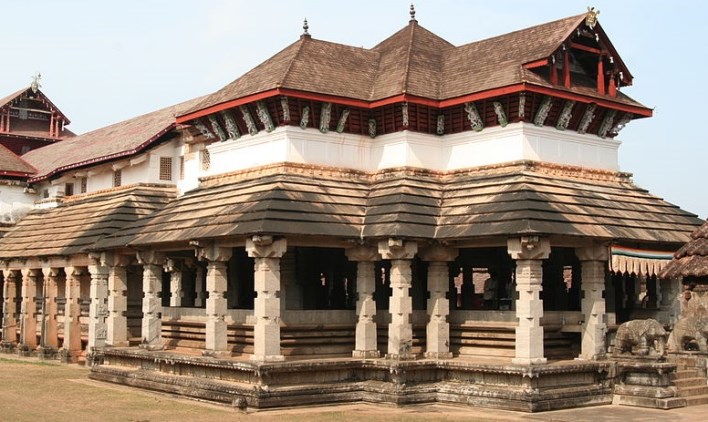
Moodabidri, often hailed as the Jain Kashi of South India, is a serene town located 35 kilometers from Mangalore in the Dakshina Kannada district of Karnataka. Nestled amidst lush green landscapes and the Western Ghats, the town serves as a profound repository of Jain heritage, culture, and architecture. It is most famous for its eighteen historical Basadis (Jain temples), with the Tribhuvana Tilaka Choodamani Basadi—commonly known as the Thousand Pillars Basadi—standing as its crown jewel.
The town’s historical significance peaked during the 14th to 16th centuries under the patronage of the Chowta dynasty, local chieftains who ruled under the suzerainty of the Vijayanagara Empire. The architectural style here is distinctively Jaina-Vijayanagara, characterized by granite construction, multi-storied roofs, and intricate stone carvings that reflect the artistic zenith of that era. The Thousand Pillars Basadi, built in 1430 AD by Devaraya Wodeyar, is a marvel of engineering, featuring a unique blend of Hoysala-style carvings and Dravidian structural elements.
Mythologically and spiritually, Moodabidri is considered a sacred center for the Digambara sect of Jainism. The Basadis house precious Tirthankara idols carved from monolithic stones or cast in panchaloha, including the magnificent bronze idol of Lord Chandraprabhu. These shrines are not merely monuments but active centers of faith where traditional rituals and daily Abhishekams continue to be performed with ancient fervor, attracting pilgrims from across India who seek spiritual solace in the quietude of the temple courtyards.
Beyond the religious significance, Moodabidri is an architectural treasure trove. Each pillar in the chief Basadi is uniquely carved with motifs of dancers, musicians, animals, and floral patterns, showcasing the extraordinary craftsmanship of the medieval artisans. The town maintains a tranquil atmosphere, characterized by tiled-roof houses and a dense canopy of coconut and areca nut palms, offering a peaceful retreat that transports visitors back to a period of medieval prosperity and profound religious devotion.
Visitors typically experience the town by embarking on a heritage walk through the major Basadis, followed by visits to the nearby natural attractions. The annual Rathothsava (car festival) is the most vibrant time to visit, where the temple deities are taken in a majestic procession through the streets of Moodabidri. The event highlights the deep cultural roots of the region, bringing together the local community in a grand display of devotion and historical continuity.
Visitor Information
Famous For
Thousand Pillars Basadi, Jain heritage, intricate stone carvings, and peaceful natural surroundings.
Visit Duration
3–4 hours for major Basadis
Best Time
Early morning or late afternoon to avoid the heat; October to March is pleasant.
Route Options
Well connected by road from Mangalore (35km) via NH169. Buses are frequent from Mangalore KSRTC stand.
Parking
Open parking spaces available near the main Thousand Pillars Basadi premises.
Entry Fee
Free entry to temple premises; nominal donation requested for maintenance.
Camera Fee
Rs. 50 for personal photography; professional gear requires special permission.
Restaurants Nearby
Several local Udupi-style vegetarian restaurants in the town center serving authentic coastal cuisine.
Toilets
Public toilet facilities available near the main Basadi complex entrance.
Drinking Water
Filtered water stations are available within the temple trust buildings.
Wheelchair Access
Partial accessibility; main ground levels are accessible, but inner shrines often require climbing stone steps.
Medical Facilities
Local health clinics and pharmacies in Moodabidri town; major hospitals are in Mangalore.
Weather Alerts
Heavy rainfall during July–August; carry umbrellas and use non-slip footwear.
Pilgrim Information
Darshan Timings
8:00 AM–1:00 PM, 3:00 PM–6:00 PM daily.
Special Poojas
Daily Abhisheka performed in the morning; special Pujas on Jain holy days like Mahavir Jayanti.
Prasadam
Simple dry snacks or blessed flowers offered to devotees after Puja.
Free Meals (Bhojan)
Annadanam (simple meal) organized for pilgrims on special festival days.
Temple History
Founded in 1430 AD by the Chowta rulers, it is a testament to the patronage of Jainism in coastal Karnataka.
Nearby Sacred Places
Karkala Gommateshwara statue (20km), Venur Bahubali statue (25km), and Kadavina Basadi.