RAICHUR
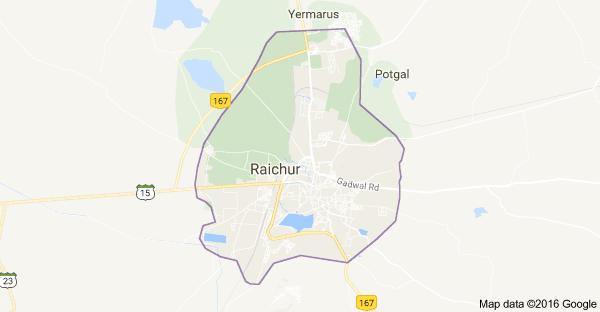
Address
RAICHUR
Open Hours
6:00 AM–7:00 PM
Weather
Hot and dry throughout the year, with pleasant evenings during the winter months
Crowd Level
Medium
Raichur, situated in the fertile doab region between the Krishna and Tungabhadra rivers, stands as a testament to the layered history of the Deccan plateau. The city is defined by its dramatic granite landscapes and an imposing hill fort that serves as the centerpiece of its military heritage. The fort's architecture is a fascinating study of Hindu military engineering, featuring massive stone ramparts that once safeguarded the city during the rise and fall of various empires. Within its walls, one can find a significant 13th-century Kannada inscription that details the fort's construction commissioned by the minister of the illustrious Queen Rudramma Devi of the Kakatiya dynasty, highlighting the region's strategic importance during the medieval era.
Beyond its military fortifications, Raichur is home to the architectural marvel known as the Ek Minar Masjid. Built by Amber under the patronage of the Bahmani Sultanate, specifically during the reign of Mohammad Shah Bahmani, this structure is renowned for its solitary, towering minaret that reaches 22 meters into the sky. The mosque displays exquisite Indo-Islamic aesthetic sensibilities, characterized by its elegant arches and robust stonework that have withstood the test of time, drawing historians and architecture enthusiasts alike to admire its singular design.
The geographical character of the region is deeply tied to its proximity to the Krishna and Tungabhadra river systems, which have supported agriculture and human settlement for millennia. In modern times, the city has evolved into an industrial hub, evidenced by the presence of significant infrastructure like the Raichur Thermal Power Station. This juxtaposition of ancient rock-cut fortresses against the backdrop of modern energy production illustrates the city's continuous journey from a seat of medieval power to a contemporary urban center in Karnataka.
For the modern visitor, Raichur offers a contemplative experience. The walk up to the fort provides sweeping views of the surrounding plains and granite formations, perfect for photography and history lovers. Local traditions remain strong in the city, with a variety of regional festivals and markets that reflect the rich cultural amalgamation of the Kannada and Dakhani traditions. Whether exploring the intricate carvings inside the fort or marveling at the soaring heights of the Ek Minar, Raichur invites travelers to slow down and appreciate a history that is literally carved into its very landscape.
Visitor Information
Famous For
Ancient hill fort architecture, Ek Minar Masjid, historic inscriptions, and the doab landscape
Visit Duration
3–4 hours
Best Time
Early morning or late afternoon to avoid the mid-day heat
Route Options
Well-connected by rail via Raichur Junction and state highways from Hyderabad and Bangalore
Parking
Limited street parking available near the base of the fort
Entry Fee
Free entry to public heritage areas
Camera Fee
No camera fees applicable
Restaurants Nearby
Numerous local restaurants in the city serving authentic North Karnataka cuisine
Toilets
Public toilet facilities are available near the city center and main bus stand
Drinking Water
Carry personal water bottles as natural sources are limited on the hill
Wheelchair Access
Limited; terrain is rocky and uneven, making it difficult for wheelchair navigation
Medical Facilities
Several private clinics and the Raichur District Hospital are located in the main town
Weather Alerts
Summers can be extremely hot; ensure protection against sun exposure
Pilgrim Information
Darshan Timings
Not applicable for public monuments; religious shrines within the area follow morning/evening ritual cycles
Special Poojas
Occasional local religious festivities centered around the regional shrines
Prasadam
Not applicable
Free Meals (Bhojan)
Local restaurants serve food from 8 AM to 10 PM
Temple History
The region is steeped in historical significance related to both Hindu dynasties and the Bahmani Sultanate, forming a confluence of diverse cultural faith traditions
Nearby Sacred Places
The nearby Pampa Sarovar and various ancient temples in the Krishna-Tungabhadra river belt