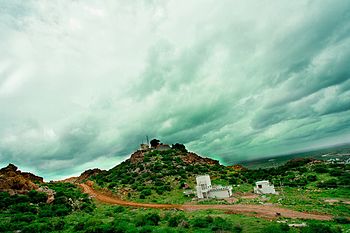
Maski is a historic town and an archaeological site located in the Raichur district of Karnataka, India. Situated 24 km from its taluk headquarters, it is nationally and internationally renowned as the site where an important minor rock edict of Emperor Ashoka was discovered.
History
Maski holds a monumental place in Indian history. In 1915, the Maski Edict of Ashoka was discovered by C. Beadon, a gold mining engineer. This edict was crucial for Indian archaeology because it was the first time the Emperor's name 'Asoka' was used explicitly along with his royal title 'Devanampriya', conclusively linking the 'Devenampriya Priyadarsini' of other inscriptions to Ashoka. The town was also a major Neolithic and Chalcolithic settlement, closely associated with ancient gold mining activities in the Hutti gold mines region.
Architecture & Highlights
The primary attraction is the Ashokan Rock Edict, inscribed on a massive granite rock face on Durgada Betta (Fort Hill). The archaeological area also features remnants of ancient fortifications, megalithic burials, and structural ruins reflecting Satavahana and Vijayanagara influences.
Travel Guide
Maski is easily accessible by road from Raichur and Lingsugur. Visitors can explore the archaeological sites, local temples, and the scenic rock formations. It is an ideal destination for history buffs and archaeology enthusiasts.
The famous Ashokan Edict which first revealed the name 'Ashoka' explicitly.
👕 Dress Code & Rules
Casual, modest clothing recommended.
Free
Basic open-air parking available near the base of the hill/site.
Local south Indian eateries and small dhabas serving basic meals.
6:00 AM – 6:00 PM