Basava Kalyan
Address
Basavakalyan, Karnataka 585327
Open Hours
8:00 AM–6:00 PM
Weather
Generally hot and dry, with pleasant, cool weather during the winter months (November to February).
Crowd Level
Medium
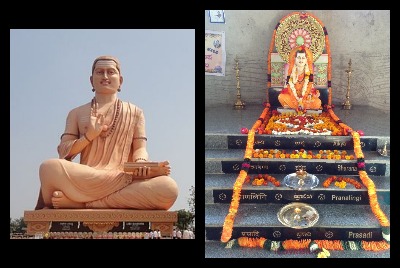
Basava Kalyan, located in the Bidar district of Karnataka, stands as a monumental beacon of spiritual history and architectural heritage. Once the illustrious capital of the Kalyani Chalukyas, this city earned fame in the 11th and 12th centuries as a premier seat of learning and the birthplace of the Sharana movement. The very soil of this town is considered sanctified by the presence of legendary saints including Basaveshwara, the great philosopher and social reformer, alongside his contemporaries Channabasavanna, Siddharama, and the mystic poetess Akka Maha Devi.
Historically, the site was the epicenter of the Anubhava Mantapa, widely recognized as the world's first parliament of spiritual democracy, where discussions on socio-religious reforms took place under the patronage of King Bijjala. While the royal power was held by the Kalyani Chalukyas, the city's spiritual identity was shaped by the Vachana Sahitya movement, which advocated for equality and dignity of labor, deeply impacting the cultural landscape of the entire Deccan plateau.
The architecture of the region reflects the sophisticated craftsmanship of the medieval period, characterized by intricate stone carvings and remnants of grand forts. The Basavakalyan Fort, with its imposing gateways and bastions, offers a glimpse into the defensive genius of the era. Visitors are drawn to the historical sites that commemorate the life of Basaveshwara, including sites associated with the Anubhava Mantapa, which feature statues and structures dedicated to the Vachanakaras, emphasizing the historical transition from royal rule to democratic spiritualism.
Today, Basava Kalyan serves as a vital pilgrimage destination for millions of followers of the Lingayat faith and history enthusiasts alike. The atmosphere is profoundly serene, resonating with the teachings of Vachana literature. Festivals like the Basava Jayanti are celebrated with immense fervor, featuring elaborate processions, cultural programs, and scholarly seminars that highlight the egalitarian vision of the Sharana saints. It remains a place where architectural history meets the timeless pursuit of spiritual wisdom.
Visitor Information
Famous For
Ancient Basavakalyan Fort, historical seat of the Anubhava Mantapa, birthplace of the Sharana movement, and Vachana literature heritage.
Visit Duration
3–4 hours
Best Time
Early morning or late afternoon for sightseeing, and during Basava Jayanti festival.
Route Options
Located 73 kms from Bidar. Well connected by KSRTC buses from Bidar, Kalaburagi, and Hyderabad. Nearest major railhead is Bidar or Homnabad.
Parking
Limited designated parking areas near the fort and temple entry points.
Entry Fee
Free entry for the general monument areas; nominal fees may apply for specific museums.
Camera Fee
Photography is allowed in monument areas; no professional charges unless for commercial use.
Restaurants Nearby
Local eateries serving North Karnataka cuisine including Jowar Roti and spicy curries.
Toilets
Public toilet facilities available near the main town square and fort entrance.
Drinking Water
Available via local kiosks and vendors near the site perimeter.
Wheelchair Access
Limited access; main grounds are accessible but some monument steps require assistance.
Medical Facilities
General hospitals and clinics available within 2 kms of the site.
Weather Alerts
Summers can be extremely hot; carry hydration and sun protection.
Pilgrim Information
Darshan Timings
8:00 AM–6:00 PM
Special Poojas
Vachana Recital sessions and special tributes held on Mondays and auspicious community days.
Prasadam
Prasadam distributed during major festivals at the memorial trusts.
Free Meals (Bhojan)
Community meals (Dasoha) provided by various local trusts, typically from 1:00 PM to 2:30 PM.
Temple History
Dedicated to the legacy of the Sharana saints; founded upon the historical site of the 12th-century socio-religious parliament.
Nearby Sacred Places
Anubhava Mantapa replica, Basaveshwara Statue, and surrounding historical cave shrines.