Harihara
Address
Harihar, CHITRADURGA
Open Hours
6:00 AM–1:00 PM, 4:30 PM–8:30 PM
Weather
Generally tropical and warm throughout the year, with cool and pleasant evenings during the winter months (November to February).
Crowd Level
Medium
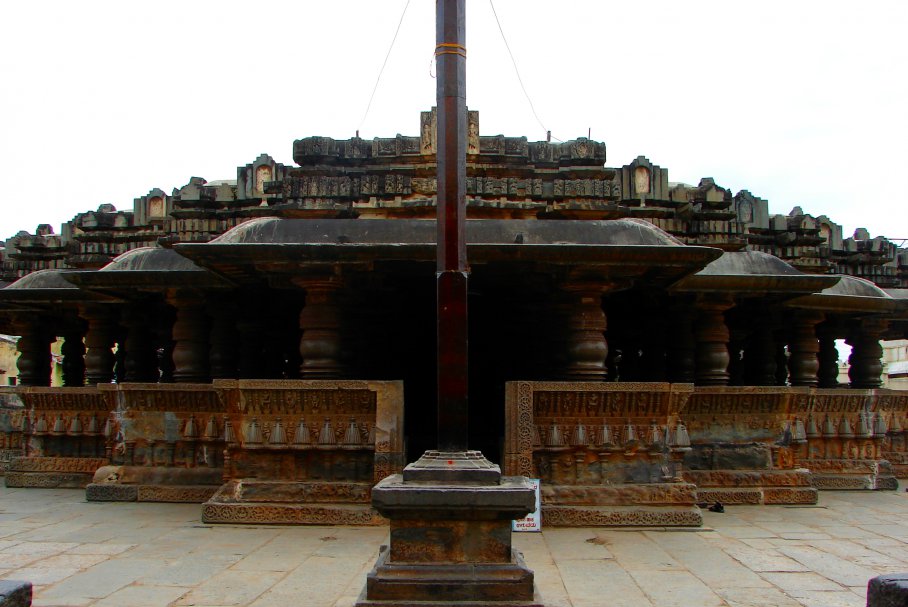
Harihara, a historic town situated on the banks of the Tungabhadra River in the Davanagere district of Karnataka, is a site of immense spiritual and architectural significance. It is home to the renowned Harihareshwara Temple, a masterpiece of the Hoysala architectural style that stands as a testament to the religious synthesis of the medieval era. The name 'Harihara' itself signifies the union of 'Hari' (Lord Vishnu) and 'Hara' (Lord Shiva), reflecting the syncretic divinity worshipped within the temple’s sanctum.
According to Puranic legends and local folklore, the temple was built to commemorate the destruction of the demon Guhasura. The demon had received a boon from Lord Brahma that he could not be killed by either Vishnu or Shiva individually. Recognizing the loophole, both deities combined their powers to manifest as the Harihara form, eventually slaying the demon. This mythological triumph is celebrated through the unique idol that depicts the dual nature of the supreme consciousness, attracting pilgrims from across the region who seek harmony and spiritual balance.
The temple boasts impressive historical lineage, having received significant patronage from the Hoysala Empire and later the Vijayanagara Empire. Constructed primarily in the 12th and 13th centuries, the architecture exhibits the intricate soapstone carvings characteristic of Hoysala craftsmanship. Visitors are often captivated by the ornate pillars, the structured shikhara (tower), and the exquisitely carved stone sculptures that depict various deities, mythological scenes, and intricate floral patterns that define the aesthetic legacy of the Karnataka temple architecture tradition.
The spiritual atmosphere of the site is heightened by its location overlooking the Tungabhadra river. The temple serves as the heart of local culture, with the annual Rathothsava (Chariot Festival) drawing thousands of devotees who gather to pull the temple chariot through the streets. This vibrant event, coupled with the regular daily rituals, offers a profound insight into the enduring religious traditions of the region. Despite the industrial development of the surrounding town, the temple precinct maintains a serene environment that encourages meditation and reflection.
Visitor Information
Famous For
Hoysala architecture, Harihareshwara deity fusion, Tungabhadra riverside setting, and ancient stone carvings.
Visit Duration
2–3 hours
Best Time
Early morning for peaceful darshan or evening for the lighting display on the riverbank; ideal months are October to March.
Route Options
Located on NH-48; well-connected by KSRTC buses from Davanagere (14km) and Hubli. Nearest railway station is Harihar Junction.
Parking
Dedicated open ground parking area available near the temple entrance for two-wheelers and cars.
Entry Fee
Free entry for general visitors to the main temple complex.
Camera Fee
Rs. 20 for basic photography; professional videography requires prior temple management permission.
Restaurants Nearby
Local vegetarian restaurants serving traditional North Karnataka cuisine are abundant in the town proximity.
Toilets
Public sanitation facilities available adjacent to the temple parking complex.
Drinking Water
Filtered water stations provided near the main entrance by the temple trust.
Wheelchair Access
Ramps provided for entry into the outer temple courtyard; limited access to the inner sanctum due to traditional stone steps.
Medical Facilities
Several private clinics and a government hospital available in Harihar town within 2 kilometers.
Weather Alerts
Monsoon months (July-September) can lead to flooding in low-lying river areas; check local weather advisories.
Pilgrim Information
Darshan Timings
General Darshan: 6:00 AM–1:00 PM, 4:30 PM–8:30 PM
Special Poojas
Daily Abhisheka at 7:30 AM; special Archana and Kalyanotsava ceremonies on full moon days.
Prasadam
Prasadam counters open near the temple exit providing sweet/savory offerings from 9:00 AM to 8:00 PM.
Free Meals (Bhojan)
Annadanam (community meal) is typically served on special festival days; local temples offer limited daily food service.
Temple History
Dating back to the 12th century Hoysala period, the temple represents the convergence of Shaivism and Vaishnavism mythology.
Nearby Sacred Places
Kudalasangama (confluence of rivers), Davanagere Eshwara Temple, and various small shrines along the Tungabhadra.