Kadri Manjunath Temple
Address
Kadri Temple Rd, Kadri Hills, Kadri, Mangaluru, Karnataka 575002
Open Hours
6:00 AM–1:00 PM, 4:00 PM–8:30 PM
Weather
Tropical climate; warm and humid throughout the year, with heavy monsoon rainfall from June to September.
Crowd Level
Medium
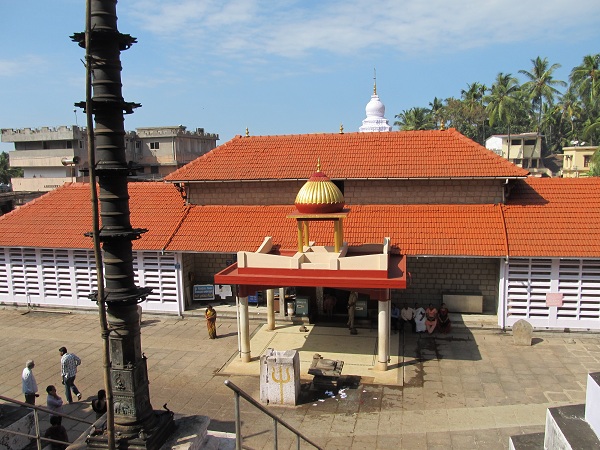
The Kadri Manjunath Temple, located in the lush green hills of Kadri in Mangaluru, stands as a testament to the confluence of ancient Hindu and Buddhist influences. Dating back to approximately 1068 A.D., this architectural marvel is one of the oldest temples in South India. Legend suggests that the temple holds immense mythological significance, often associated with Lord Parashurama, who is believed to have resided in this region after creating the land of Kerala and Tulu Nadu from the sea. The temple's primary deity, Manjunatha, is a form of Lord Shiva, making this a pivotal site for Shaivite worship for over a millennium.
Historically, the temple enjoyed significant royal patronage from various dynasties, including the Alupas, the Hoysalas, and later the Vijayanagara rulers, who contributed to its structural expansion. The temple's most celebrated treasure is the bronze statue of Lokeshwara, often cited by historians and art connoisseurs as the finest bronze sculpture in India. The craftsmanship displays a unique blend of South Indian and North Indian artistic sensibilities, reflecting the temple's historical role as a center for Buddhist influence before its complete transition into a prominent Hindu pilgrimage site.
Architecturally, the Kadri Manjunath Temple is a masterpiece of the 'Gajaprastha' style, characterized by its square-shaped sanctum. The complex is famous for its nine sacred tanks, known as Theerthas, which surround the temple in a picturesque setting at the base of the hill. Visitors are often captivated by the ancient monolithic carvings and the tranquil ambiance that pervades the courtyards. The temple architecture, though simple in its external facade, features intricate woodwork and stone carvings that narrate stories from the Puranas and the life of local deities.
Beyond the main sanctum, the site includes the Jogimutt located on the hilltop and the caves of the Pandavas. Folklore holds that the Pandavas visited these caves during their exile, adding a layer of deep mythological allure to the physical beauty of the surroundings. The temple complex serves not only as a religious destination but as a retreat, with its lush backdrop providing a serene environment for meditation and spiritual reflection away from the bustling city of Mangaluru.
Annually, the temple comes alive during the grand Rathothsava (Car Festival), which draws thousands of devotees from across the country. During this vibrant celebration, the deity is taken out in a ceremonial procession on an elaborately decorated wooden chariot. The atmosphere is charged with devotional hymns, traditional percussion, and a sense of collective spiritual fervor that continues to preserve the temple's status as the spiritual heart of the Tulu Nadu region.
Visitor Information
Famous For
Ancient Manjunathaswamy bronze idol, nine holy temple tanks, historic Pandava caves, and unique architectural design.
Visit Duration
1.5 to 2 hours
Best Time
Early morning for calm darshan or during the annual Rathothsava festival (usually January).
Route Options
Located 4 km from Nehru Maidan; accessible via city buses 3, 3A, 4, 4C, 6A, 6B, 6C, 14, 14A, 14B, 21, 22, 30A, 30B, and 48.
Parking
Limited street-side parking and a small designated temple parking area for two-wheelers and light motor vehicles.
Entry Fee
Free entry for general darshan; nominal charges apply for special pujas.
Camera Fee
Photography is permitted in the outer courtyard; strictly prohibited inside the main inner sanctum.
Restaurants Nearby
Numerous vegetarian eateries and snack stalls located in the immediate vicinity serving traditional Mangalorean cuisine.
Toilets
Public toilets are available adjacent to the temple administration office and near the parking entrance.
Drinking Water
Filtered water dispensers provided near the main temple entrance and temple office.
Wheelchair Access
Ramps available to reach the outer courtyard; however, internal sanctum access requires negotiating stone steps.
Medical Facilities
First aid available at the temple office; major hospitals like KMC are located within 2 km.
Weather Alerts
Steps can be extremely slippery during the heavy monsoon season; carry umbrellas/raincoats.
Pilgrim Information
Darshan Timings
6:00 AM–1:00 PM and 4:00 PM–8:30 PM
Special Poojas
Abhisheka at 6:30 AM, Rudrabhisheka, and special archana bookings available at the main temple office.
Prasadam
Prasadam (Laddu, Puliogare) available at the counter near the main exit daily from 9:00 AM.
Free Meals (Bhojan)
Annadana (free meals) provided on special religious occasions and festival days near the temple dining hall.
Temple History
The temple dates back to the Alupa dynasty (10th century); dedicated to Lord Manjunatha, it is a significant center for both Shaivite and Buddhist history.
Nearby Sacred Places
Kudroli Gokarnanatheshwara Temple, Mangaladevi Temple, and St. Aloysius Chapel.