Kikkeri
Address
Kikkeri, Karnataka 571423
Open Hours
6:30 AM–12:30 PM, 5:00 PM–8:30 PM
Weather
Warm and temperate with pleasant breezes throughout the year; best visited between October and March.
Crowd Level
Low
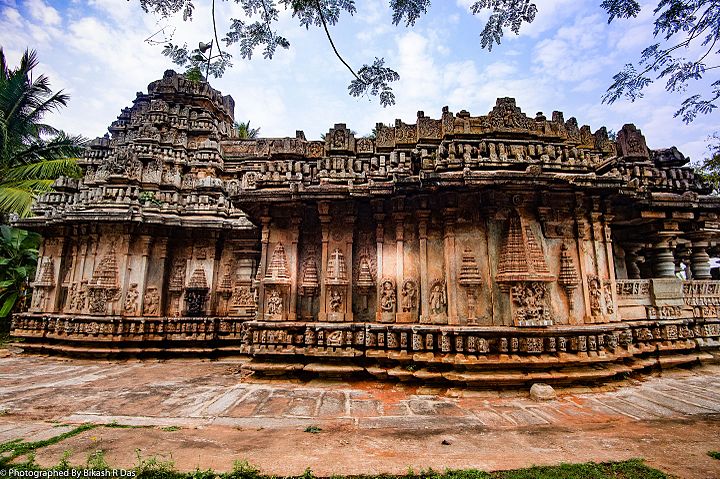
The Brahmeshwara Temple in Kikkeri stands as a timeless sentinel of Hoysala artistry, situated in the Mandya district of Karnataka. Dating back to approximately 1171 AD during the zenith of the Hoysala Empire, this structure is a quintessential example of the 'Ekakuta' (single-shrined) temple architecture. Unlike the sprawling complexes of Belur and Halebidu, Kikkeri offers an intimate encounter with the intricate craftsmanship that defined the era, serving as a masterclass in soapstone carving.
Mythological and Historical Significance: While specific Puranic legends for Kikkeri are often local, the temple is dedicated to Lord Shiva in his form as Brahmeshwara. The site is historically significant for its preservation of authentic Hoysala styles under the patronage of the Hoysala kings, particularly King Narasimha I. The temple is famed for its shikhara (tower) which is exceptionally well-preserved and showcases the traditional 'Vesara' architectural style, blending elements of North and South Indian temple building techniques.
Architectural Marvels: The exterior walls of the Brahmeshwara temple are adorned with sophisticated iconography that rivals the finest monuments in the region. Visitors will observe exquisitely carved panels depicting Natya Ganapathi, Thandaveshwara, Natya Parvathi, and the fierce Narasimha. The most celebrated feature of the temple is its collection of Madanikai figures (celestial dancers). These figures are depicted in graceful, rhythmic poses characteristic of Bharata Natya, demonstrating the secular interest of the Hoysala architects in the performing arts of the 12th century.
Visitor Experience and Spirituality: The atmosphere at Kikkeri is one of profound serenity, far removed from the commercialized tourist circuits. The temple remains a living place of worship where local villagers offer daily prayers. The layout includes a central sanctum, a vestibule, and a hall, all constructed on a raised platform known as the Jagati. The intricate carvings of the pillars and the ceiling panels draw researchers, historians, and art enthusiasts from across the globe to study the precise geometric symmetry achieved by ancient artisans.
Festivals and Atmosphere: The temple comes alive during major Hindu festivals such as Maha Shivaratri, where the structure is illuminated and devotees gather for special Abhishekas. The annual Rathothsava (car festival) is a local highlight, reflecting the deep-rooted cultural heritage of the Kikkeri village. Visiting this site offers a rare opportunity to appreciate high-caliber temple architecture in a quiet, undisturbed setting, allowing for deep contemplation and an immersive historical experience.
Visitor Information
Famous For
12th-century Hoysala architecture, intricate Madanikai carvings, and perfectly preserved Shikhara.
Visit Duration
1–2 hours
Best Time
Early morning or late afternoon for ideal natural lighting on carvings.
Route Options
Accessible via NH 75; take the deviation towards Kikkeri from Channarayapatna. Buses are available from Mandya and Hassan.
Parking
Open space available near the temple premises.
Entry Fee
Free entry for all visitors.
Camera Fee
No camera fee; photography is permitted in the outer courtyard.
Restaurants Nearby
Small local eateries serving authentic South Indian breakfast and snacks.
Toilets
Basic public toilets available in the village center.
Drinking Water
Carry bottled water as there are no direct filtered stations inside.
Wheelchair Access
Limited access; ramps are not present at the main entrance steps.
Medical Facilities
Primary Health Centre in Kikkeri; multispecialty hospitals in Hassan or Mandya.
Weather Alerts
Summers can be quite hot; monsoon periods may make the exterior stone flooring slippery.
Pilgrim Information
Darshan Timings
6:30 AM–12:30 PM, 5:00 PM–8:30 PM
Special Poojas
Daily morning Abhisheka and evening Deeparadhana performed by temple priests.
Prasadam
Distributed immediately after the evening pooja to devotees present.
Free Meals (Bhojan)
No organized free meals (Annadanam) provided; eateries available in the village.
Temple History
Built during the reign of Hoysala King Narasimha I in 1171 AD, reflecting the peak of the Hoysala architectural era.
Nearby Sacred Places
Shravanabelagola, Lakshmi Narasimha Temple at Javagal.