Virupaksha Temple
Address
Hampi
Open Hours
6:00 AM–1:00 PM, 5:00 PM–9:00 PM
Weather
Hot and dry throughout the year, with pleasant evenings during the winter months (November to February).
Crowd Level
High
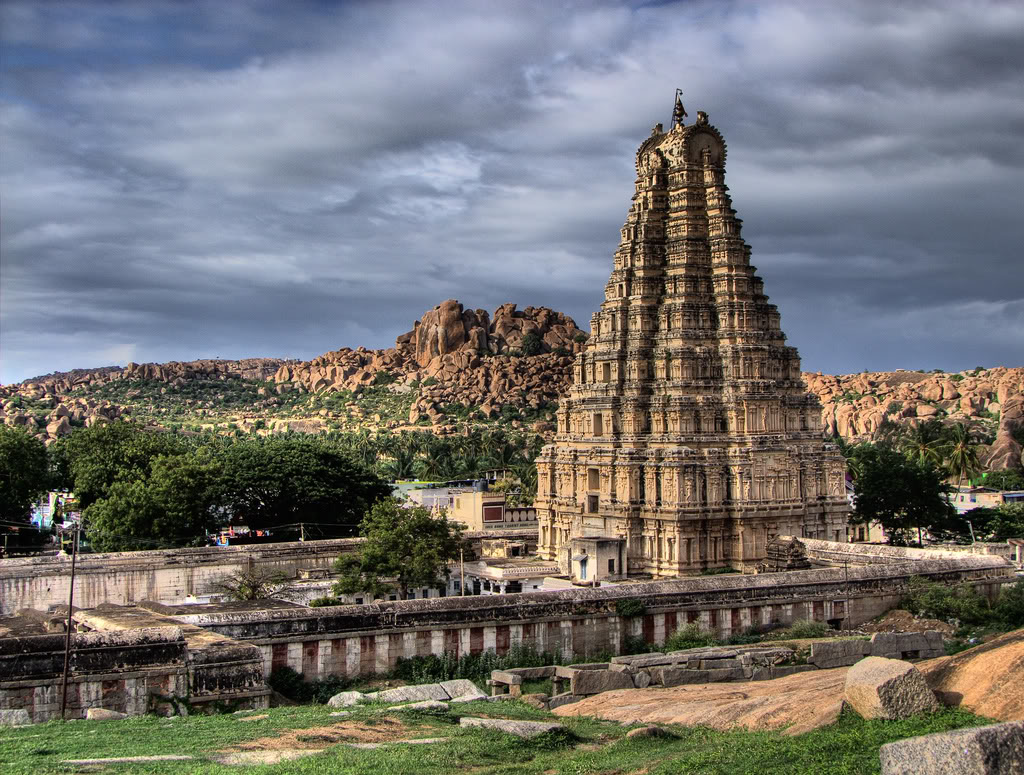
The Virupaksha Temple, located in the heart of Hampi, stands as the most sacred and oldest functioning temple in the Vijayanagara ruins. Dedicated to Lord Shiva in the form of Virupaksha (the consort of the local goddess Pampa), the temple is a living testament to the grandeur of the Vijayanagara Empire. Unlike many other structures in Hampi that fell to ruin after the 1565 siege, this temple has remained a vibrant site of worship for centuries, serving as a beacon of spiritual continuity in the UNESCO World Heritage site.
Mythological Origins and Puranas: According to local legends and Puranas, the site is deeply associated with the marriage of Lord Shiva and Goddess Pampa (an incarnation of Parvati). The goddess performed rigorous penance at this location to marry Shiva, who finally consented. The name 'Hampi' is derived from 'Pampa', which is the old name of the Tungabhadra River. The deity is also referred to as Pampapathi, or the Lord of Pampa. The temple is believed to predate the 7th century, with inscriptions suggesting that portions of the inner sanctum were constructed long before the Vijayanagara kings expanded the complex to its current majestic size.
Historical Significance and Patronage: While parts of the temple date back to the 7th century, the massive expansion occurred under the patronage of the Vijayanagara rulers, most notably Krishna Deva Raya. He is credited with commissioning the towering eastern gopuram and the large, ornate ranga mandapa (pillared hall). Throughout its history, it served as the royal temple for the dynastic deity of the empire, witnessing coronations and great festivals that defined the power and religious devotion of the Vijayanagara kings.
Architectural Marvels: The temple architecture is a masterpiece of Dravidian style. The structure is anchored by its massive nine-tiered eastern gopuram, which rises 50 meters into the sky. A unique highlight is the inverted image of the gopuram projected onto a wall inside the temple, visible through a small aperture—a clever demonstration of the pinhole camera effect by ancient architects. The complex features various interconnected halls, a massive courtyard, a sacred water tank (Manmatha tank), and a monolithic Nandi bull situated at the entrance of the bazaar.
Spiritual Atmosphere and Festivals: The temple serves as the spiritual epicenter for the community. The most significant event is the Rathothsava (Chariot Festival), held annually in February, where the deity is paraded through the Hampi Bazaar on a grand wooden chariot. During this time, the temple is filled with devotional chants, classical music, and pilgrims who travel from across India to seek blessings from Lord Virupaksha.
Visitor Information
Famous For
Ancient Dravidian architecture, the massive 50-meter gopuram, the pinhole camera effect, and its continuous status as a living temple.
Visit Duration
2–3 hours
Best Time
Early morning for prayer or sunset for the atmospheric illumination of the gopurams.
Route Options
Direct buses available from Hospet (13 km away). Taxis and auto-rickshaws are easily available from the Hampi bus stand.
Parking
Large designated parking lot located near the main Hampi Bazaar street.
Entry Fee
Rs. 5 for entry; photography is allowed with a separate fee.
Camera Fee
Rs. 50 for still cameras, professional video equipment requires special permits.
Restaurants Nearby
Numerous cafes and restaurants in the Hampi Bazaar serving vegetarian South Indian and continental food.
Toilets
Public toilet facilities available near the main parking area and the Hampi bus stand.
Drinking Water
Filtered water stations provided by the temple authorities near the entrance gate.
Wheelchair Access
Ramps are available at the main entrance, though some inner sections require climbing stone steps.
Medical Facilities
Primary Health Centre in Hampi; larger hospitals are located in Hospet.
Weather Alerts
Summers can be extremely hot; ensure hydration. Slippery surfaces near the Manmatha tank during monsoons.
Pilgrim Information
Darshan Timings
General Darshan: 6:00 AM–1:00 PM and 5:00 PM–9:00 PM.
Special Poojas
Daily Abhisheka occurs at 6:30 AM. Special Archana and evening Aarti are performed daily between 7:00 PM and 8:00 PM.
Prasadam
Prasadam counters located near the exit sell sacred laddoos and vibhuti from 8 AM to 8 PM.
Free Meals (Bhojan)
Annadanam (free community lunch) is organized on special religious occasions near the temple complex hall.
Temple History
The temple dates back to the 7th century with significant patronage during the 14th-16th century Vijayanagara era, dedicated to the manifestation of Lord Shiva.
Nearby Sacred Places
Matanga Hill, Achyutaraya Temple, Sasivekalu Ganesha, and the Manmatha Tank.